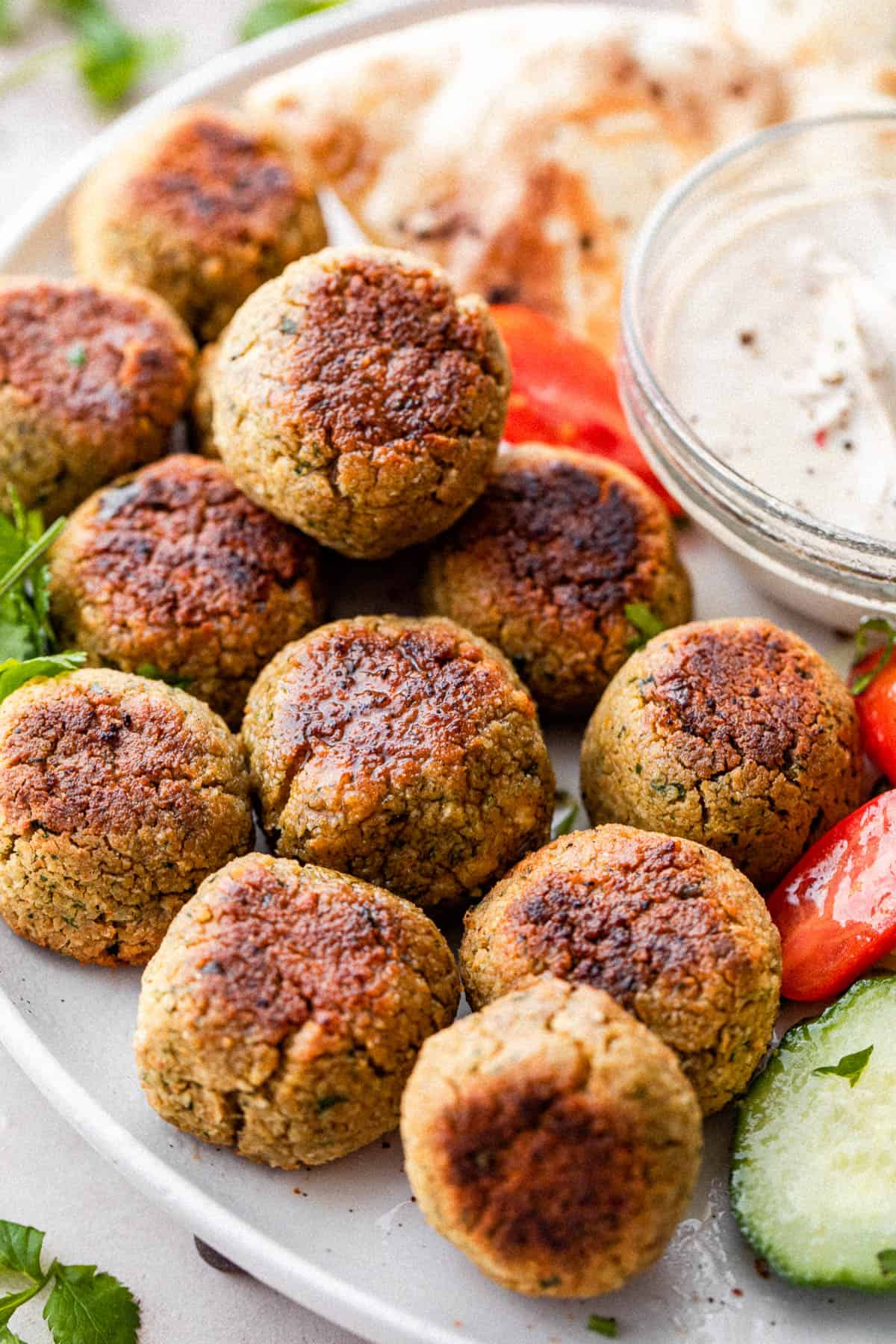
Baked vs Fried Falafel: Get Crispy, Authentic Flavor at Home
Few dishes evoke the vibrant flavors and aromas of the Middle East quite like falafel. These humble, crispy fritters, made from ground chickpeas and a medley of fresh herbs and spices, have captivated taste buds worldwide. But for home cooks aspiring to recreate that authentic experience, a fundamental question often arises: what is the best falafel recipe fried or baked? Both methods promise delicious results, yet they offer distinct characteristics in texture, flavor, and even health considerations. Let's dive deep into the art of making homemade falafel, exploring how to achieve that coveted crispy exterior and tender, aromatic interior, no matter your preferred cooking technique.
The Foundation of Flavor: Crafting Your Authentic Falafel Mixture
Before we even think about cooking, the secret to truly authentic and crispy falafel lies in the meticulously prepared mixture. This isn't a shortcut kind of dish; every ingredient and step contributes to the final masterpiece.
- No Canned Chickpeas! This is perhaps the most crucial rule. Authentic falafel relies on dried chickpeas, soaked overnight (for at least 8-12 hours). As they absorb water, they triple in size, developing a unique texture that canned chickpeas simply cannot replicate. Canned chickpeas are too soft and moist, leading to a mushy, dense falafel that struggles to crisp up and often falls apart.
- A Symphony of Herbs and Spices: Freshness is paramount here. A generous hand with roughly chopped parsley and cilantro infuses the falafel with its signature bright green hue and herbaceous aroma. Complementing these are essential spices like cumin, salt, and a touch of cardamom, which adds a warm, almost floral note that elevates the flavor profile. Don't forget the aromatic trio of onion, garlic, and a small green chili pepper (like serrano or jalapeño) for a subtle kick and depth.
- The Perfect Texture: Once soaked and drained, all ingredients (chickpeas, herbs, spices, aromatics) are pulsed in a food processor. The key is to achieve a coarse, sand-like mixture – not a smooth paste. Over-processing will result in dense falafel, while under-processing leaves large chunks. This coarse texture is vital for allowing steam to escape during cooking, creating those delightful air pockets that contribute to a light, crispy interior.
- Binding and Leavening Agents: A couple of tablespoons of chickpea flour (or another flour) act as a binder, helping the falafel hold its shape. A small amount of baking soda is a game-changer, introducing tiny air bubbles that make the falafel lighter and more tender.
- Chill Out: After mixing, refrigerate the falafel dough for at least 30 minutes to an hour. This step allows the flavors to meld, and more importantly, it firms up the mixture, making it easier to shape and less likely to crumble during cooking. If the mixture feels too wet, add a little more flour; if too dry, a teaspoon of water or lemon juice can help.
The Classic Choice: Deep-Fried Falafel for Unmatched Crunch
For purists seeking the quintessential falafel experience, deep-frying is often considered the gold standard. It delivers an incomparable crispness and a rich, satisfying flavor that is hard to beat. If you're aiming for the most authentic street-food style falafel, this is your go-to method. For a comprehensive guide, check out our Most Delicious Homemade Falafel: Fried, Baked, & Crispy article.
The Process:
- Heat the Oil: Pour about 3 inches of neutral oil (like canola, vegetable, or sunflower) into a sturdy pot or Dutch oven. Heat it to a consistent 350°F (175°C). Using a thermometer is crucial here; too-hot oil will burn the outside before the inside cooks, while too-cool oil will result in greasy, soggy falafel.
- Shape and Fry: Form your chilled falafel mixture into small balls or patties using your hands, an ice cream scoop, or a specialized falafel scoop. Carefully drop them into the hot oil, cooking in small batches (6-8 at a time) to avoid overcrowding and dropping the oil temperature.
- Golden Perfection: Fry for 1-2 minutes per side, or until they turn a beautiful deep golden brown. Use a skimmer to gently turn them and remove them from the oil once cooked.
- Drain and Serve: Transfer the fried falafel to a paper towel-lined plate to drain any excess oil. Serve immediately to enjoy their peak crispness.
Expert Tips for Frying:
- Oil Temperature is King: Maintain that 350°F! If it gets too hot, reduce the heat. If it drops too low, let it recover before adding more falafel.
- Don't Overcrowd: Give your falafel space to fry evenly and maintain oil temperature.
- Test Piece: Fry one falafel first to test the oil temperature and consistency of your mixture. If it crumbles, add a touch more flour to your dough. If it's too dense, you might have over-processed the initial mixture.
The deep-fried method creates a truly robust, crunchy crust and a tender, aromatic interior. The oil contributes to a richer flavor profile that is distinctive and incredibly satisfying.
The Healthier Alternative: Baked Falafel for Guilt-Free Goodness
For those looking to reduce fat intake or avoid the mess and lingering smell of deep-frying, baking offers a fantastic alternative. While it might not achieve the *exact* same shatteringly crisp exterior as its fried counterpart, a well-executed baked falafel can still be delightfully golden and pleasantly firm. Discover more about this method in our Crispy Baked Falafel Recipe: Less Fat, Incredible Flavor.
The Process:
- Preheat and Prepare: Preheat your oven to a high temperature, typically 400-425°F (200-220°C). Line a baking sheet with parchment paper and lightly grease it or spray with oil.
- Shape and Oil: Form your falafel into slightly flatter patties rather than perfect balls. This increases surface area, promoting better browning and crisping in the oven. Lightly brush or spray each falafel with olive oil or another neutral oil. This is crucial for crispness.
- Bake to Perfection: Arrange the falafel on the prepared baking sheet, ensuring they are not touching. Bake for 15-20 minutes, flipping them halfway through, until they are golden brown and firm to the touch.
Expert Tips for Baking:
- High Heat is Essential: Don't be shy with the oven temperature. High heat helps the exterior crisp up.
- Oil, Oil, Oil: Even though it's baked, a good coating of oil is necessary for browning and preventing dryness.
- Don't Overcrowd: Give each falafel space on the baking sheet to allow hot air to circulate, promoting even baking and crispness.
- Consider Air Frying: For an even crispier baked falafel, an air fryer is an excellent option! The circulating hot air mimics frying more closely.
Baked falafel will have a slightly softer interior and a less aggressive crunch than fried, but it compensates with a cleaner taste, less grease, and a significantly easier cleanup. It’s a fantastic option for a healthier meal prep or a lighter weeknight dinner.
Achieving Ultimate Flavor and Crispness: Beyond the Cook Method
No matter if you choose a falafel recipe fried or baked, several universal principles will ensure your homemade falafel reaches its full potential for authentic flavor and satisfying crispness:
- Freshness Factor: Always use fresh herbs and quality spices. The difference is palpable.
- The Coarse Grind: Reiterate the importance of the food processor texture. It's the foundation for a light, airy interior.
- Don't Skip the Chill: A well-chilled mixture holds its shape better and cooks more evenly.
- Right Consistency: Ensure your dough isn't too wet or too dry. A slight adjustment with flour or water can save your falafel from crumbling or becoming dense.
- Serve Immediately: Falafel, whether fried or baked, is always best enjoyed fresh and warm. The crispness fades over time.
- Perfect Pairings: Don't forget the accompaniments! A creamy tahini sauce is non-negotiable, offering a nutty, tangy counterpoint. Serve in warm pita bread with fresh salad, pickled turnips, and a drizzle of hot sauce for the full experience.
- Meal Prep Savvy: You can easily make the falafel dough ahead of time and refrigerate it for a few days or even freeze it for up to three months. You can also freeze raw, shaped falafel and cook them directly from frozen, adding a few extra minutes to the cooking time. This makes homemade falafel a surprisingly convenient option for busy weeks.
Conclusion
The debate between baked and fried falafel ultimately comes down to personal preference and priorities. If you crave the deep, rich flavor and intense crunch of traditional street falafel, then deep-frying is your path. If you prioritize health, convenience, and a lighter touch without sacrificing too much crispness, a properly prepared baked falafel can be incredibly satisfying. Whichever falafel recipe fried or baked you choose, the true joy lies in the process of creating these flavorful fritters from scratch. With quality ingredients and attention to detail, you can easily achieve authentic, crispy falafel right in your own kitchen. So, gather your chickpeas, fresh herbs, and spices, and embark on your falafel-making adventure today!
