Crispy Baked Falafel Recipe: Less Fat, Incredible Flavor
Craving the vibrant, herbaceous crunch of authentic falafel but looking for a healthier twist? You've come to the right place! While the allure of perfectly fried falafel is undeniable, this Baked vs Fried Falafel: Get Crispy, Authentic Flavor at Home guide proves that you don't need to sacrifice flavor or texture when opting for a lighter, oven-baked approach. Our comprehensive falafel recipe, fried or baked, will show you how to achieve that irresistible golden crispness and tender, aromatic interior with significantly less fat.
Homemade falafel is a culinary delight, a staple of Middle Eastern cuisine that has captured hearts globally. Forget the dry, bland versions you might have encountered; this recipe empowers you to create fresh, flavorful falafel from scratch. We'll dive deep into the secrets of selecting the right ingredients, mastering the perfect texture, and achieving a truly satisfying result, whether you choose to bake for health or indulge in a traditional fry.
The Healthier Crunch: Why Bake Your Falafel?
The traditional method of cooking falafel often involves deep-frying, which, while delicious, can add a significant amount of oil and calories. Our crispy baked falafel recipe offers a fantastic alternative, allowing you to enjoy all the incredible flavors without the guilt. Here’s why baking is a game-changer:
- Reduced Fat Content: This is the most obvious benefit. Baking uses minimal oil, drastically cutting down on saturated and unhealthy fats.
- Lighter Feel: Baked falafel feels less heavy, making it an excellent choice for a lighter lunch or dinner. You can enjoy more without feeling weighed down.
- No Lingering Fry Smell: Say goodbye to the persistent smell of fried food that can permeate your kitchen for days. Baking keeps your home smelling fresh and clean.
- Easier Cleanup: Less oil means less mess! No splattering oil to contend with, making post-cooking cleanup a breeze.
- Still Incredibly Crispy: With a few clever techniques, you can achieve a delightfully golden and crispy exterior that rivals its fried counterpart, paired with a soft, flavorful interior.
Embracing a baked falafel recipe, fried or baked, allows for greater flexibility in meal planning, making it easier to integrate this plant-based protein into a balanced diet. It's a testament to how healthy eating can still be incredibly satisfying and full of authentic flavor.
Mastering the Authentic Falafel Mixture: Ingredients and Preparation
The secret to truly delicious falafel lies in the quality and preparation of its core ingredients. This isn't just a recipe; it's a guide to unlocking authentic flavors. Forget canned chickpeas – the foundation of superior falafel begins with dried chickpeas, patiently soaked. This crucial step ensures the correct texture and absorbency for the spices.
Here’s a breakdown of the essential components and why they matter:
- Dried Chickpeas (Garbanzo Beans): Absolutely non-negotiable! One cup of dried chickpeas, soaked overnight (8-12 hours), will triple in size. Soaking not only rehydrates them but also makes them pliable enough to blend into the desired coarse texture without becoming pasty. Canned chickpeas are too soft and will result in a mushy falafel that won't hold its shape or crisp properly.
- Aromatic Foundation: Onion, Garlic, Green Chili: Half a cup of roughly chopped onion, three cloves of garlic, and a small green chili (like serrano or jalapeño) provide a pungent, flavorful base and a hint of heat. Roughly chopping them first helps the food processor achieve an even blend.
- Fresh Herbs: Parsley & Cilantro: One cup each of roughly chopped fresh parsley and cilantro are vital. These aren't just garnishes; they infuse the falafel with its signature vibrant green color and fresh, earthy aroma. Don't skimp on the herbs – they are the soul of falafel!
- Warming Spices: Cumin, Cardamom, Black Pepper: A teaspoon of cumin, half a teaspoon of cardamom, and a quarter teaspoon of black pepper create the warm, fragrant spice profile. Cardamom, often overlooked, adds an authentic, slightly sweet and floral note that elevates the flavor significantly.
- Seasoning: Salt: A teaspoon of salt is crucial for bringing out all the flavors. Adjust to your preference.
- Binding Agents: Chickpea Flour & Baking Soda: Two tablespoons of chickpea flour (or another flour like all-purpose if preferred) acts as a binder, helping the falafel hold its shape. Half a teaspoon of baking soda introduces airiness, ensuring the inside remains tender and light, preventing a dense, brick-like texture.
Step-by-Step: Crafting Your Crispy Baked Falafel
Once your ingredients are prepped, the process of creating this Most Delicious Homemade Falafel: Fried, Baked, & Crispy is surprisingly straightforward.
1. Soaking & Draining the Chickpeas:
Begin by soaking your dried chickpeas overnight, or for at least 8 to 12 hours. Ensure they are covered with plenty of water as they will expand considerably. Once plump, drain and rinse them thoroughly. This step is critical for the right texture!
2. Blending the Mixture to Perfection:
Add the drained chickpeas, roughly chopped onion, parsley, cilantro, garlic, green pepper, cumin, salt, cardamom, and black pepper to a food processor. The key here is to pulse, not blend continuously. You want a coarse, sand-like texture, not a smooth paste. Over-blending will result in gummy falafel that won't crisp up properly. Periodically scrape down the sides of the processor to ensure an even mix.
3. Chilling for Stability:
Transfer the falafel mixture to a bowl. Stir in the chickpea flour and baking soda until well combined. Cover the bowl and refrigerate for at least 30 minutes to an hour. Chilling is a vital step as it allows the flavors to meld and, more importantly, firms up the mixture, making it much easier to shape and less prone to crumbling during cooking.
4. Shaping Your Falafel:
Using your hands, an ice cream scoop, or a dedicated falafel scoop, form the mixture into small balls (about 1.5 inches in diameter) or flattened patties. If the mixture feels too wet and sticky, add another tablespoon of chickpea flour. If it's too dry and crumbly, a teaspoon or two of water or lemon juice can help bind it. Aim for uniform sizes for even cooking.
5. Baking for Golden Crispness:
Preheat your oven to 400°F (200°C). For the crispiest results, lightly oil a baking sheet or line it with parchment paper, then lightly brush or spray the falafel balls with a little olive oil. This minimal oil helps achieve that beautiful golden-brown crust. Arrange the falafel on the prepared baking sheet, ensuring they are not overcrowded. Bake for 20-25 minutes, flipping them halfway through, until they are golden brown and crispy on all sides.
Alternative: Deep-Frying (for the traditional experience):
If you choose the traditional falafel recipe fried or baked route, heat about 3 inches of neutral oil (like vegetable or canola) in a heavy-bottomed pot to 350°F (175°C). Fry falafel in batches (6-8 at a time) for 1-2 minutes per side, or until golden brown. Use a slotted spoon to remove them and place on a paper towel-lined plate to drain excess oil. Be mindful not to overcrowd the pot, which can lower oil temperature and lead to soggy falafel.
Serving Suggestions & Pro Tips for Perfect Falafel
Once cooked, falafel is best served immediately, when it’s still warm and crispy. The versatility of falafel means it can be enjoyed in countless ways:
- Classic Pita Sandwich: Stuff warm falafel into a pita pocket with fresh lettuce, tomatoes, cucumbers, pickled turnips, and a generous drizzle of creamy tahini sauce.
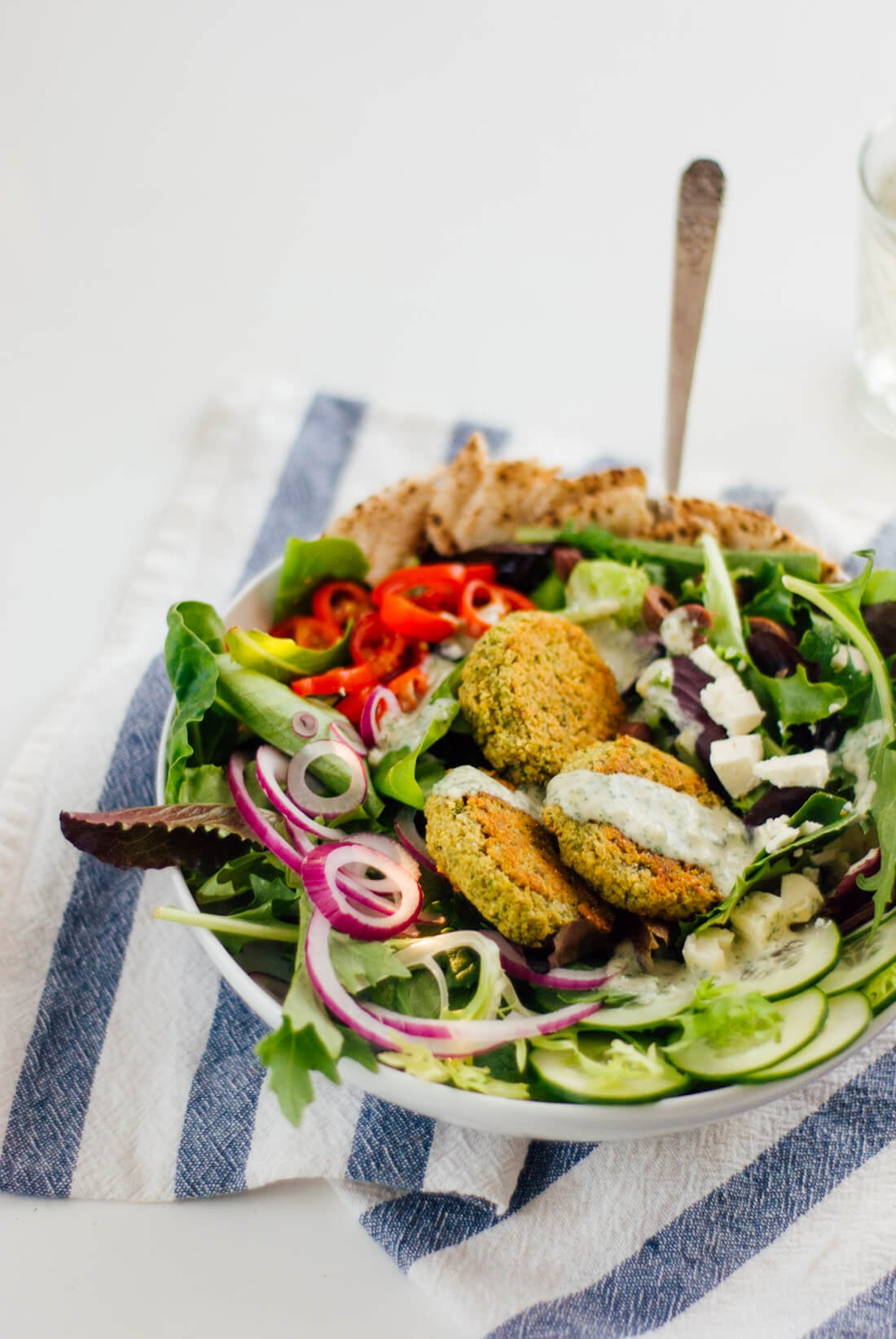
- Falafel Bowl/Salad: Serve over a bed of mixed greens, couscous, or rice, topped with a medley of chopped vegetables, olives, feta cheese, and a lemony dressing.
- Mezze Platter: Arrange falafel alongside hummus, baba ghanoush, pickled vegetables, and warm pita bread for a delightful appetizer spread.
- Dipping Sauce Essentials: Tahini sauce is the ultimate companion, but a cooling tzatziki or spicy shatta can also elevate the experience.
Pro Tips for Success:
- Don't Overcrowd: Whether baking or frying, cook falafel in batches to ensure even cooking and crispiness.
- Check Your Oil Temperature (if frying): If oil is too hot, the outside will burn before the inside cooks. If too cold, falafel will absorb too much oil and become greasy.
- Meal Prep Power: You can prepare the falafel mixture ahead of time and refrigerate it for up to 3 days, or freeze it for up to 3 months. Thaw in the fridge before shaping and cooking. Alternatively, shape raw falafel and freeze them on a baking sheet, then transfer to a freezer bag. You can cook them straight from frozen, adding a few extra minutes to the cooking time.
- Troubleshooting Crumbly Falafel: If your falafel falls apart, the mixture might be too dry, or you need more binding agent. Add a tablespoon more chickpea flour or a tiny splash of water/lemon juice, then re-chill.
Whether you lean towards the lighter, crispy baked option or the rich, traditional fried method, this comprehensive falafel recipe, fried or baked, promises an authentic taste experience. Packed with fresh herbs and spices, your homemade falafel will be a flavorful triumph, proving that incredible taste and health can go hand-in-hand.
